Workforce Analytics: Moving From Rear-View Mirror to Predictive Radar
Most HR dashboards tell you what already happened. Predictive workforce analytics tells you what is about to happen — and gives you time to act. Here is how to build that capability.
Layla Nour
People Analytics Lead
The Problem With Lagging Indicators
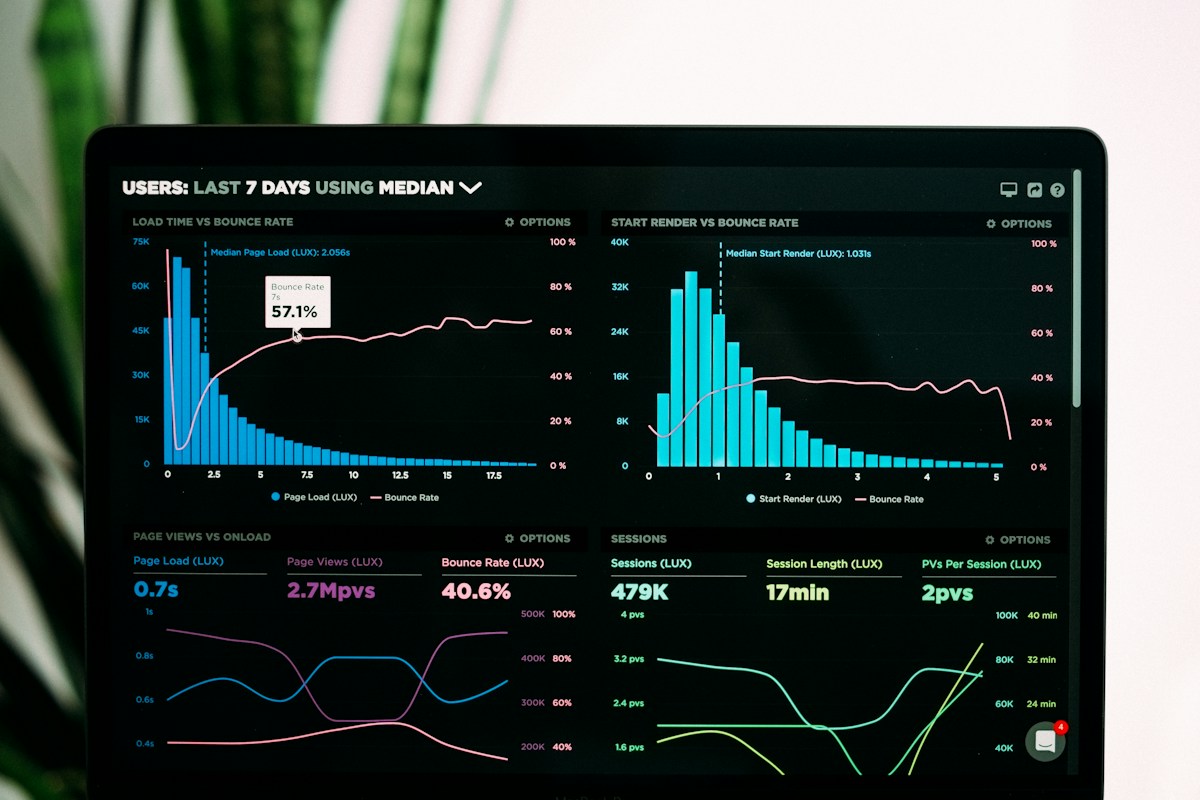
The typical HR dashboard is built from lagging indicators: headcount, turnover rate, time-to-hire, cost-per-hire. These metrics tell you what already happened. By the time your quarterly turnover number is high enough to trigger concern, the talent has already walked out the door.
What Predictive Models Actually Predict
Flight risk models work by identifying patterns that historically precede voluntary attrition: tenure milestones, performance rating changes, declining engagement survey scores, reduced internal mobility applications, decreased collaboration network activity, and compensation lag versus market benchmarks. The power is in the combination — and in the model's ability to weight these signals differently for different role families.
Building the Data Foundation
Effective workforce analytics requires a unified data architecture connecting your HRIS, performance system, engagement platform, payroll, and collaboration tools. Most organisations have all of this data — it just lives in silos. Our platform can ingest from 40+ standard HR systems and begin generating flight risk scores within 30 days of integration.
Turning Predictions Into Interventions
Prediction without action is just sophisticated reporting. When an employee's flight risk score crosses a threshold, their manager automatically receives a conversation guide and a suggested action — compensation review, stretch assignment, or simply a check-in. The human judgment stays human. The data that informs it becomes dramatically better.